What to clarify before building a custom SaaS application
A product-planning checklist for SaaS founders covering users, the first release, tenancy, security, operations, and ongoing ownership.
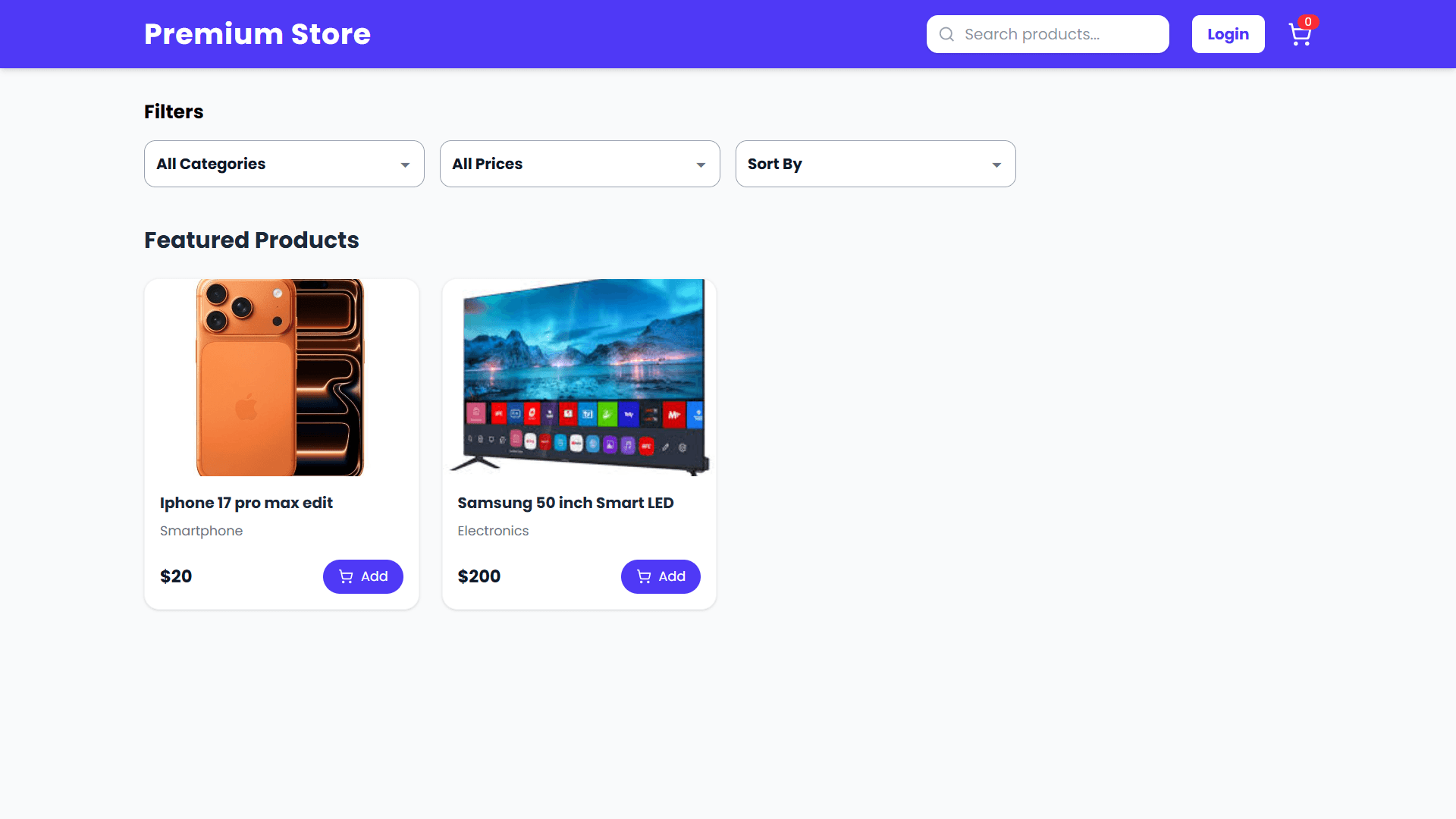
A SaaS idea can quickly turn into a long feature list. Before development, clarify the user problem, the first audience, and the smallest product that can test whether the solution is useful. This is not about minimizing quality; it is about spending early effort on the assumptions that matter most and leaving room to learn from actual use.
Define the first customer and core workflow
Describe who will use the product, what they do today, and where the current process becomes difficult. Map the primary journey from sign-up to the product’s core outcome. Identify which roles exist and what each role is allowed to see or change. These decisions affect the interface, data model, permissions, and the way you will validate a first release.
Separate essential capabilities from later possibilities. A product may eventually need reporting, integrations, multiple plans, and complex administration. The first release might only need one reliable workflow, account management, and a way to support users. Agreeing on a clear boundary protects the schedule and gives the team a better basis for estimating.
Plan accounts, access, and customer data
Decide how customers and users relate to one another. Is each account a single person, or does an organization invite colleagues? Can people belong to more than one organization? How are administrators, members, and read-only users distinguished? These are product rules with security consequences, so avoid treating access control as a later visual feature.
- Identify the data each user role can view and update.
- Define account creation, invitation, recovery, and removal flows.
- Plan backups, retention, and export needs for customer data.
- List the external services and operational dependencies the product needs.
Design for operation as well as launch
A production service needs more than a deploy button. Consider error monitoring, backups and restoration, secure configuration, dependency updates, and how a support request reaches the team. Decide who owns these responsibilities after launch. A well-scoped first version can be modest, but its operational expectations should be explicit.
Treat billing and subscription behavior as product requirements if they are part of the first release. Define plan changes, failed payments, cancellation, access after cancellation, and how customer support handles disputes. Use a reputable payment provider rather than storing payment card details yourself, and verify how the chosen integration fits the actual business model.
Validate, then expand with evidence
Prototype the riskiest workflow and have representative users review it before investing in broad functionality. Keep the system easy to change as you learn, and document important architectural decisions. After launch, use support conversations and observed friction to prioritize improvements rather than assuming a large feature roadmap is already correct.
A useful SaaS build plan connects product decisions to engineering and ongoing ownership. If you are preparing an application scope, explore our web application development work or share your product goals for a project discussion.
Looking for help with this?
Explore our software engineering servicesKeep exploring
Related insights
How AI agents can improve a business workflow
A practical guide to identifying suitable agent tasks, setting guardrails, and introducing AI into an existing process without losing oversight.
AI chatbots vs. AI agents: choosing the right approach
Understand the practical difference between conversational assistants and tool-using agents, and choose a scope that fits your users and risk.
How to choose a technology stack for your web application
A decision framework for selecting frontend, backend, and data technologies based on product needs, team capability, and long-term ownership.